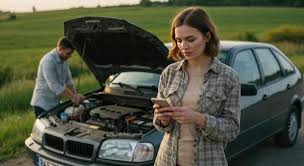
There’s nothing more annoying than turning the key and getting… nothing. No crank, no start, just silence. Or sometimes the engine turns over but refuses to fire. I’ve been there, and trust me, most of the time it’s something simple. You don’t need to be a mechanic to figure out the basics.
In this post, I’ll walk you through the first roadside checks you should do and show you how to jump start your car safely. This is written for real people, not textbooks. Just practical stuff you can actually use when you’re stuck.
If you need a car jump leads cable, please follow the link : car jump leads cable
When the Starter Doesn’t Turn at All
If you turn the key and the starter motor doesn’t even try, start with the basics:
-
If it’s an automatic, make sure it’s in Park or Neutral.
-
Pop the bonnet and check the battery terminals. They should be tight and clean. Loose or crusty terminals can stop everything.
-
Turn your headlights on and try to start the car.
-
If the lights go very dim, your battery is probably flat.
-
If they stay bright but nothing happens, you might have a bad connection or a starter issue.
-
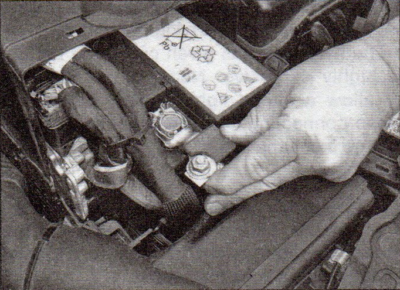
A flat battery is by far the most common cause. Lights left on, short trips in winter, or an old battery can drain it without warning.
When the Engine Turns but Won’t Start
If the engine cranks normally but doesn’t fire:
-
Check you actually have fuel. It sounds obvious, but it happens.
-
Look under the bonnet for anything loose or unplugged.
-
Damp can cause problems, especially around electrical connectors. A quick spray of water-displacing spray on visible plugs and leads can help.
On petrol cars, loose ignition connections can stop it starting. On diesels, injector wiring can do the same.
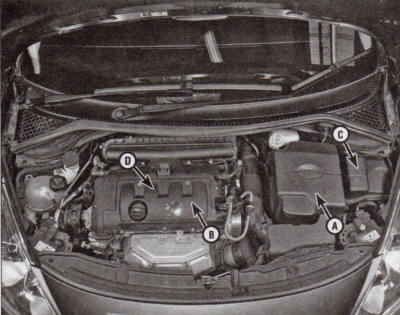
How to Jump Start a Car Safely
Jump starting will get you moving, but remember: it doesn’t fix the reason the battery went flat. Still, it’s the fastest way back on the road.
Before you start:
-
Both cars must be the same voltage (normally 12V).
-
Switch both ignitions off.
-
Turn off lights, heater, radio, wipers – everything.
-
If using another car, make sure the vehicles don’t touch.
Now follow this order carefully:
Step-by-Step
-
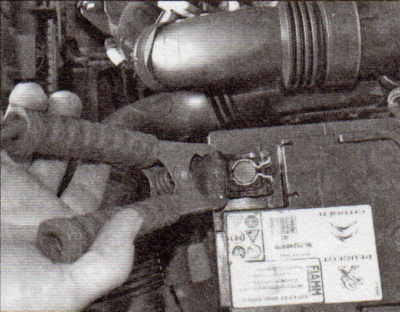
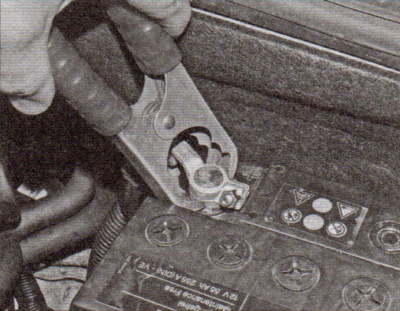
Connect one end of the red cable to the positive (+) terminal on the flat battery.
-
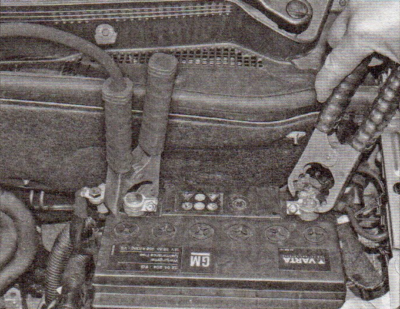
Connect the other end of the red cable to the positive (+) terminal on the good battery.
-
Connect one end of the black cable to the negative (-) terminal on the good battery.
-
Connect the other end of the black cable to a metal bolt or bracket on the engine block of the dead car – not the battery itself.
This reduces the risk of sparks near the battery.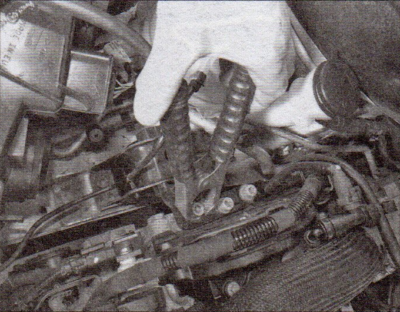
-
Make sure the cables are clear of fans, belts, and anything that moves.
-
Start the donor car and let it idle. Then try starting the dead car.
Once it starts, leave it running. Turn on headlights and heater for a minute, then disconnect the cables in reverse order.
Why Did the Battery Go Flat?
Jump starting fixes the symptom, not the cause. Usually it’s one of these:
-
The battery was drained by repeated start attempts or lights left on.
-
The charging system isn’t working properly (alternator or belt issue).
-
The battery itself is worn out.
If you keep needing jump starts, the battery is trying to tell you something.
Final Thoughts
Most “car won’t start” situations are simple once you stay calm and check the basics. A loose terminal, a flat battery, or damp connectors can stop everything. Knowing how to jump start properly can save you time, money, and stress.
You don’t need a garage for this. Just a bit of confidence and a set of jump leads in the boot. Learn these basics once, and the next time it happens, you’ll be the one helping others instead of waiting for a recovery truck.
Leave a Reply